Table of contents
Discover how streetwear has dramatically shaped the landscape of modern Japanese fashion. From bold urban influences to expressive youth subcultures, the fusion of global street style with local trends has created a dynamic and constantly evolving scene. Dive into the following sections to uncover the origins, evolution, and cultural significance of streetwear in Japan, and see how it continues to define contemporary fashion statements across the country.
Roots of Japanese streetwear
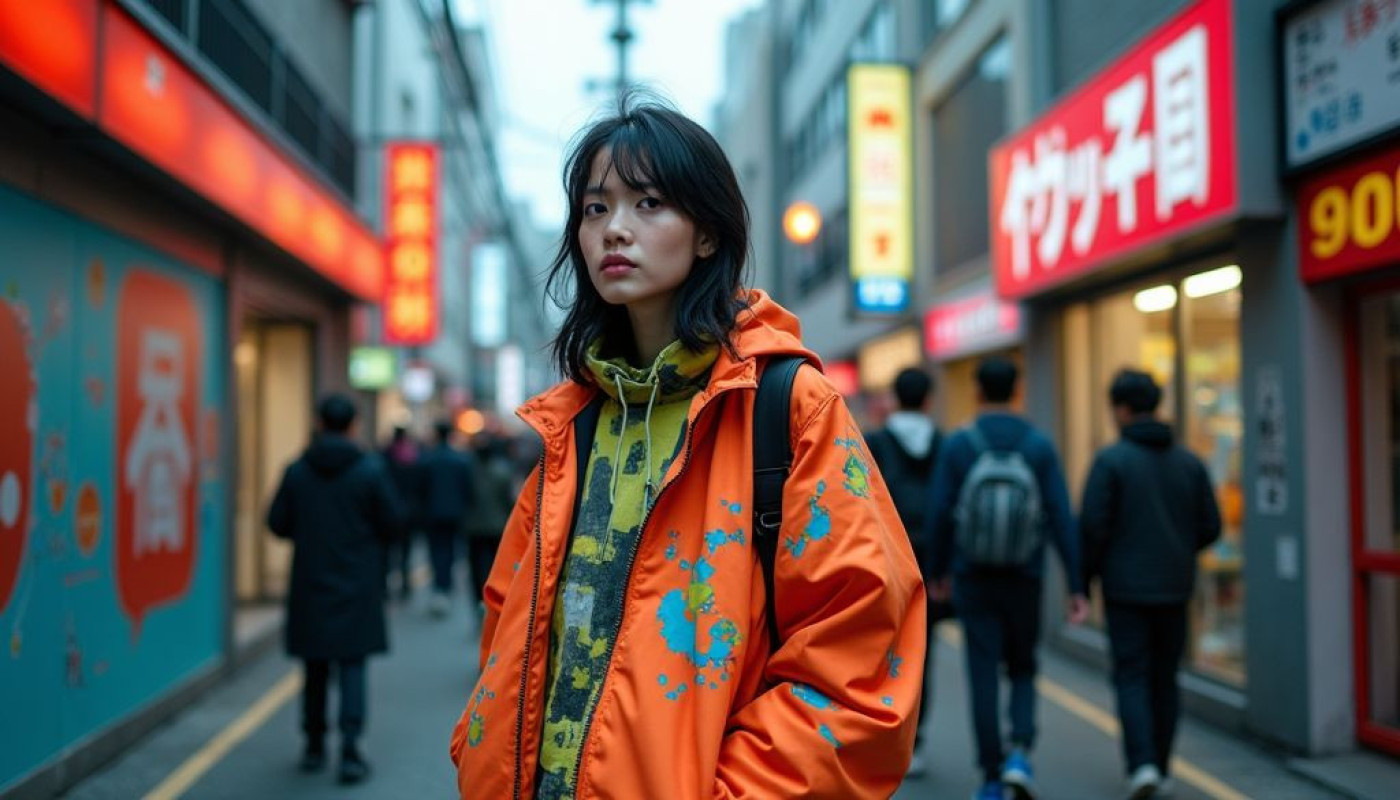
Japanese streetwear history is deeply intertwined with the nation’s cultural and social landscape, reaching back to the transformative years of post-war Japan. In the aftermath of World War II, a surge of Western influences flooded the country, reshaping traditional values and sparking curiosity among the youth. This period witnessed the introduction of new urban fashion trends, with young people eager to express individuality and rebellion through clothing. By the 1970s and 80s, Tokyo's districts like Harajuku and Shibuya had become epicenters of youth culture, where underground fashion movements began to gain momentum. These groups adopted and reinterpreted global styles, merging them with domestic influences, and in the process established unique aesthetic codes that set Japanese streetwear apart from its Western counterparts. Over the decades, this blend of innovation and homage to both local and international trends has anchored streetwear as a defining element of urban fashion, influencing generations and cementing its place in global style narratives.
Streetwear’s cultural fusion
Japanese streetwear stands out globally due to its dynamic cultural fusion, skillfully blending international influences with traditional Japanese aesthetics. The process of glocalization is evident in how major Japanese streetwear trends reinterpret iconic global styles, such as American hip-hop and European sportswear, adapting them to fit local tastes and values. This hybrid fashion approach results in a fashion identity that feels both familiar and uniquely Japanese, where bold graphic elements and avant-garde tailoring coexist with subtle references to heritage and craftsmanship. Authority on cultural exchange in fashion notes that this ongoing dialogue between global influences and indigenous creativity has shaped a thriving scene, making Japanese streetwear a pivotal reference point in the worldwide evolution of contemporary style.
Influence on youth expression
Japanese street fashion has become a dynamic platform for youth self-expression, where individuality and rebellion in fashion are not only encouraged but celebrated. Within the streetwear community, clothing choices go beyond aesthetics, serving as markers of subcultural capital that signal group membership and unique identities. As youth culture sociologist Dr. Koichi Iwabuchi explains, the adoption of streetwear enables young people to challenge traditional norms, fostering new social groups and movements that reflect evolving attitudes toward society. This process of differentiation amplifies both a sense of belonging and personal distinction, as select brands and signature styles become emblems of shared values and creative defiance.
Participation in Japanese street fashion scenes creates vibrant, interconnected networks where self-expression thrives amidst collective inspiration. From Harajuku’s colorful ensembles to Shibuya’s edgy silhouettes, the streetwear community continuously redefines the boundaries of mainstream style, inspiring ongoing innovation and dialogue. For more insight into the profound impact of these trends and the brands fueling the movement, readers can discover exclusive collections and detailed trend analysis published here.
Evolution of streetwear aesthetics
Streetwear evolution in Japan has been marked by a dynamic interplay of changing aesthetics and cultural currents. Early Japanese streetwear drew inspiration from American hip-hop and skate culture, featuring oversized silhouettes, bold graphics, and heavy use of denim and cotton. Over time, Japanese fashion trends have shifted toward more experimental shapes, with cropped jackets, wide-leg pants, and tailored layering replacing the baggy fits of the past. This progression in design language is evident in the innovative use of materials, such as technical fabrics and sustainable textiles, propelled by advancements in fashion technology. These changes mirror the nation’s growing environmental consciousness and embrace of functionality in daily wear, aligning with global trends. The selection of design motifs has also diversified, moving from overt logos and vibrant prints to subtle, minimalistic patterns and intricate embroidery, reflecting a maturing sense of identity within the streetwear community. Collectively, these shifts in Japanese streetwear not only signal evolving consumer preferences but also highlight how the industry continually adapts to societal and technological changes.
Streetwear’s impact on global fashion
Japanese streetwear impact on the global fashion scene can be observed through both direct and subtle channels of trend diffusion. Brands originating from Tokyo’s vibrant Harajuku district, such as A Bathing Ape and UNDERCOVER, have served as powerful sources of streetwear inspiration, shaping international trends and redefining luxury with urban sensibility. The global fashion influence of Japanese streetwear is further amplified by collaborations between Japanese designers and major Western brands, introducing unique aesthetics and innovative silhouettes to a wider audience. As these styles gain visibility, the feedback loop between Japanese and worldwide streetwear communities intensifies, with each side continuously borrowing, adapting, and iterating on new patterns, materials, and cultural references.
This exchange has fostered a highly dynamic global fashion scene where ideas circulate rapidly, and boundaries between high fashion and street culture become increasingly porous. Japanese streetwear’s meticulous attention to detail, bold graphic work, and willingness to subvert traditional codes have inspired international designers to experiment with new forms and narratives. As a result, global runways now regularly showcase designs clearly influenced by Tokyo’s street fashion ethos, and mainstream retailers seek to capture the unique edge associated with the Japanese streetwear impact. This ongoing interplay not only sets fresh benchmarks for creativity but also cements Japan's reputation as a trend diffusion powerhouse within the global fashion landscape.
In sum, the international trends shaped by Japanese streetwear continue to redefine the possibilities of contemporary style. By consistently pioneering novel approaches and inspiring both established labels and emerging talent, Japanese streetwear has cultivated an enduring legacy in the global fashion influence arena. Through this symbiotic relationship, the boundaries of fashion innovation expand, affirming the central role of streetwear inspiration in the evolution of today’s international fashion trends.
Similar articles

Exploring The Transformational Journey Of Becoming A Mermaid

Exploring The Enduring Appeal Of Bohemian Fashion In Modern Times

Exploring The Benefits Of Becoming A Certified Eyelash Technician

Exploring The Simplicity And Benefits Of Nail Art Stickers
